
Exploring the cultural importance of casinos in modern society
Historical Context of Casinos
Casinos have a rich history that dates back centuries, with their origins traced to ancient civilizations. In Rome and Greece, gambling was a popular pastime among citizens, where games of chance were played during festivals and public gatherings. This historical context laid the groundwork for modern gambling establishments, which have evolved into sophisticated venues offering a wide range of entertainment options. Many individuals who frequent these venues often find themselves needing a 24 pokies login to access online gaming platforms.

The evolution of casinos is closely tied to cultural developments. As societies transitioned from agrarian to industrial economies, the rise of urban centers saw the establishment of gambling houses. Over time, these locations transformed from simple gaming rooms into luxurious resorts, reflecting changing social attitudes towards gambling and leisure. Today, casinos serve as cultural hubs, attracting millions and influencing local economies.
Casinos as Social Gatherings
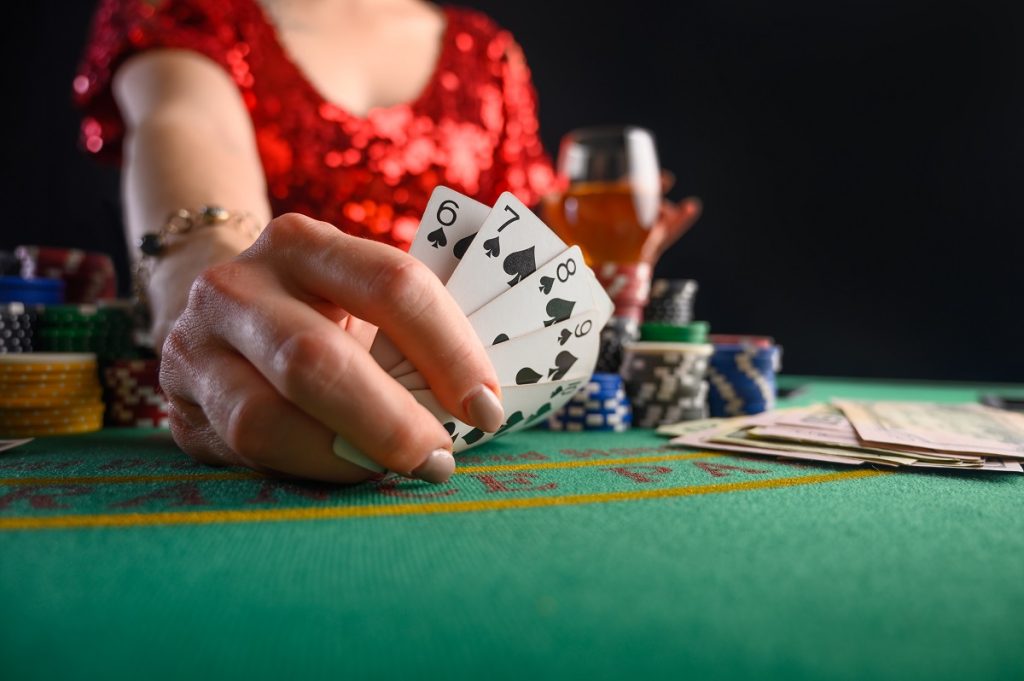
In contemporary society, casinos are more than just places to gamble; they are vibrant social spaces. They offer individuals opportunities to gather, socialize, and engage in shared experiences. From high-stakes poker games to casual slot machine play, casinos create an environment where people can connect with friends and meet new acquaintances, fostering a sense of community. This unique atmosphere highlights how gambling can bring varied individuals together.
Furthermore, casinos often host events such as concerts, comedy shows, and dining experiences, enhancing their role as entertainment venues. These activities draw diverse crowds and contribute to a lively atmosphere. This social aspect not only enriches individual lives but also enhances the cultural fabric of the surrounding areas.
The Economic Impact of Casinos
The economic significance of casinos cannot be overstated. They generate substantial revenue through gaming, entertainment, and tourism, providing jobs for thousands and supporting local businesses. In many regions, casinos are key players in boosting local economies, as they attract tourists who contribute to hospitality, retail, and service industries.
Moreover, the tax revenues generated from casinos often fund essential public services such as education and infrastructure. This financial impact illustrates how casinos play a critical role in promoting regional development and stability, establishing them as integral components of modern economic ecosystems.
Addressing the Challenges of Gambling
Despite their cultural and economic contributions, casinos also face challenges, particularly concerning gambling addiction. While many individuals enjoy gaming responsibly, there is a subset of the population that struggles with addiction, leading to significant personal and social consequences. It is vital for casinos to implement responsible gambling measures and support systems that promote healthy gaming practices.
By fostering awareness and providing resources for those affected by gambling addiction, casinos can contribute positively to society. Many establishments are increasingly engaging in outreach programs and collaborating with organizations dedicated to helping individuals cope with the challenges of gambling dependency. This commitment reflects a growing recognition of the responsibilities that come with operating in such a complex industry.
Conclusion on the Cultural Role of Casinos
In summary, casinos occupy a significant cultural space in modern society, representing a blend of history, social interaction, and economic influence. As they continue to evolve, their role as social gathering points and economic drivers remains paramount. The ongoing dialogue surrounding responsible gambling practices also highlights the industry’s awareness of its impact on individuals and communities.
As we explore the multifaceted importance of casinos, it becomes clear that they are not merely establishments for gambling but dynamic centers that reflect cultural shifts and societal needs. Engaging with these aspects enhances our understanding of casinos and their role in shaping modern life.
Letzte Kommentare